- PUMP gained 33.8% weekly as Pump.fun fees surpassed $10 million for the first time.
- Pump.fun generated $35.67 million monthly revenue, surpassing Hyperliquid during the same period.
- Upcoming token unlocks and overbought indicators could challenge PUMP’s strong bullish momentum.
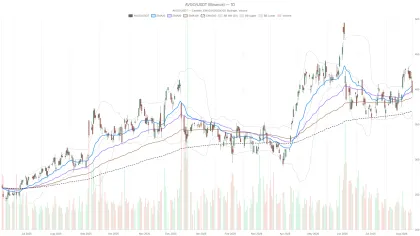
Pump.fun — PUMP, has delivered one of the strongest rallies among Solana tokens this week. The token traded near $0.0028 on August 11. That marked a 33.8% gain over seven days. PUMP also climbed more than 104% during the past month. The rally now has a stronger foundation beyond price action alone. Pump.fun recorded record weekly fees while trading activity accelerated across the platform. Traders now face strong momentum alongside an approaching token unlock.
Pump.fun Activity Strengthens the PUMP Rally
Pump.fun generated $10.03 million in protocol fees from August 3 through August 9. Weekly fees increased 12% from the previous week. The milestone also marked the first $10 million reading under the current reporting series. Ecosystem trading volume reached $2.97 billion during the same period. Pump.fun described the figure as the strongest weekly total since late January. PumpSwap handled $2.22 billion of that volume.
Bonding curve activity contributed another $751.6 million to the total. The platform also surpassed Hyperliquid in 30-day revenue. Pump.fun generated $35.67 million during the latest 30-day period. Hyperliquid recorded $32.46 million across the same timeframe. DefiLlama uses different revenue categories for both platforms. Pump.fun includes bonding curve, PumpSwap, and Terminal fees.
Hyperliquid mainly counts fees directed toward HYPE purchases. L Pump.fun also spent $5.02 million on PUMP buybacks during the week. The purchases removed roughly 2.15 billion tokens from circulation. The platform directs half of net revenue toward automated buybacks and burns. Cumulative burns have now offset 15.7% of the original supply. The platform also introduced upgraded social trading features on August 7.
PUMP Faces a Major Supply Test
Despite strong momentum, PUMP faces a significant token unlock soon. DefiLlama lists 6.875 billion PUMP for upcoming releases. Team allocations account for 4.167 billion tokens. Existing investors hold another 2.708 billion tokens scheduled for release. The combined allocation carried a value near $19.2 million recently. The amount represents roughly 1.75% of circulating supply.
Another source estimates 7.07 billion PUMP will unlock around August 14. Such releases can increase selling pressure when recipients move tokens. Traders will therefore watch exchange flows closely after the unlock. Technical indicators also suggest caution after the sharp rally. PUMP trades above the daily upper Bollinger Band near $0.00270.
The four-hour Stochastic RSI sits around 88 to 91. Readings above 80 often indicate overbought conditions.Still, PUMP remains about 68% below the September 2025 record high. The token climbed from roughly $0.0012 in late June. Strong platform revenue could support further recovery if demand remains firm.