
Trade Concerns and Supply Risks Rise, ANZ Expects Copper Prices to Hit New Highs Early Next Year

Huitong Network, September 3—— ANZ Bank believes that uncertainty in U.S. tariff policy is accelerating the concentration of copper supply towards the United States, while mine output is facing disruptions. At the same time, investments related to electric vehicles, new energy infrastructure, and artificial intelligence are keeping copper demand resilient. With a combination of tight supply and upgraded demand structure, copper prices are expected to break previous highs early next year.
The copper market has recently regained focus in the commodity sector. ANZ analysts believe that with the potential U.S. copper tariffs continuing to impact global trade flows, increasing challenges on the supply side from mines, and resilient demand from the new energy and electrification sectors, the chances of copper prices reaching new record highs early next year are rising.
The core logic behind this judgment is that potential U.S. tariffs are changing the geographical distribution of global copper inventories. Market concerns that the U.S. government will further increase the cost of copper imports have prompted traders and downstream companies to ship copper resources to the United States in advance, in order to avoid potential tariff risks. The result is that domestic inventories in the United States are being replenished, but
This phenomenon is not a short-term coincidence. The International Energy Agency previously pointed out that the copper market this year has already been driven by multiple factors including mine supply disruptions, U.S. tariff uncertainty, and growing demand from electrification and artificial intelligence infrastructure, causing copper prices to break through
Pressure on the supply side is equally noteworthy. ANZ believes that the El Niño phenomenon may negatively affect copper production in Chile, while rising hydroelectric risks in Brazil could further increase uncertainty in mining output. For copper mines and smelting industries that heavily depend on energy and water resources, extreme weather and changes in energy supply can amplify supply pressures in the spot market by influencing mining, ore dressing, and smelting segments. Copper supply risks are gradually shifting from single mine accidents to more widespread structural issues. Recently, Chile’s copper industry has also faced safety risks in transportation, with some copper shipments experiencing theft, further increasing uncertainty in the supply chain.
On the demand side, trends are showing features different from the traditional economic cycle. Electric vehicles, power transmission networks, new energy facilities, and data center construction all require large amounts of copper. Especially with the rapid expansion of artificial intelligence infrastructure, demand for copper in power supply, transformers, transmission lines, and internal distribution systems in data centers continues to rise. The International Energy Agency anticipates that as the global energy system becomes further electrified, power grids, electric vehicles, construction, industry, and data centers will all become important sources of copper consumption growth in the future.
Meanwhile, the U.S. manufacturing sector is still experiencing tight supplies of copper and related electrical components. The latest manufacturing surveys show that copper products, electrical components, and some metal materials remain in short supply, while the raw material price index remains high. This indicates that the price pressure in the copper market does not come entirely from financial speculation, but is related to the actual supply chain environment. From the perspective of inventory, the U.S.’s early absorption of copper resources may create significant regional division. If U.S. import demand continues to increase, it will further squeeze the availability of spot resources in European and other Asian markets. As U.S. inventories accumulate and those in other regions decline, the global copper market may see more obvious regional price differences, as well as increased volatility in spot premiums and forward contracts.
In fact, copper prices already saw significant breakthroughs this year. Data shows that LME copper once surged to a historical high of
Moreover, attention should be paid to price volatility caused by changes in U.S. tariff policy. If the tariffs end up lower than market expectations or get postponed, copper inventories that have already flowed into the U.S. in advance may re-enter the global market, which would partially ease supply pressures outside the U.S., and copper prices could experience a large adjustment in the short term. Some institutions had previously warned that after tariff uncertainties fade, the market may refocus on global supply-demand fundamentals, thereby putting pressure on copper prices.
Thus, the current copper market is forming a rather unique pattern: on one hand, tariff expectations are driving early inventory concentration in the United States; on the other hand, difficulties in mine supply growth along with structural demand from new energy, AI, and grid investment are consistently strengthening expectations of global supply-demand tightness. The combination of these two forces provides the foundation for copper prices to continue challenging historical highs, but it also means that prices are highly sensitive to policy changes and inventory reallocations.
From a medium-term technical structure perspective, copper prices still maintain a strong upward trend. After previously breaking through
In the short term, after a rapid upward move, copper prices are oscillating at a high level, and the risk of chasing highs has clearly increased. If a pullback can hold the $13,500–$13,800 region, the overall uptrend structure is likely to be maintained; if it breaks below this area, further support may be sought near $13,000. On the upside, focus on the historical high of $14,500—if there’s an effective breakout, the market may re-enter a trending bull stage; if there are multiple failed attempts to break higher, be alert to technical corrections caused by increased profit-taking at high levels.
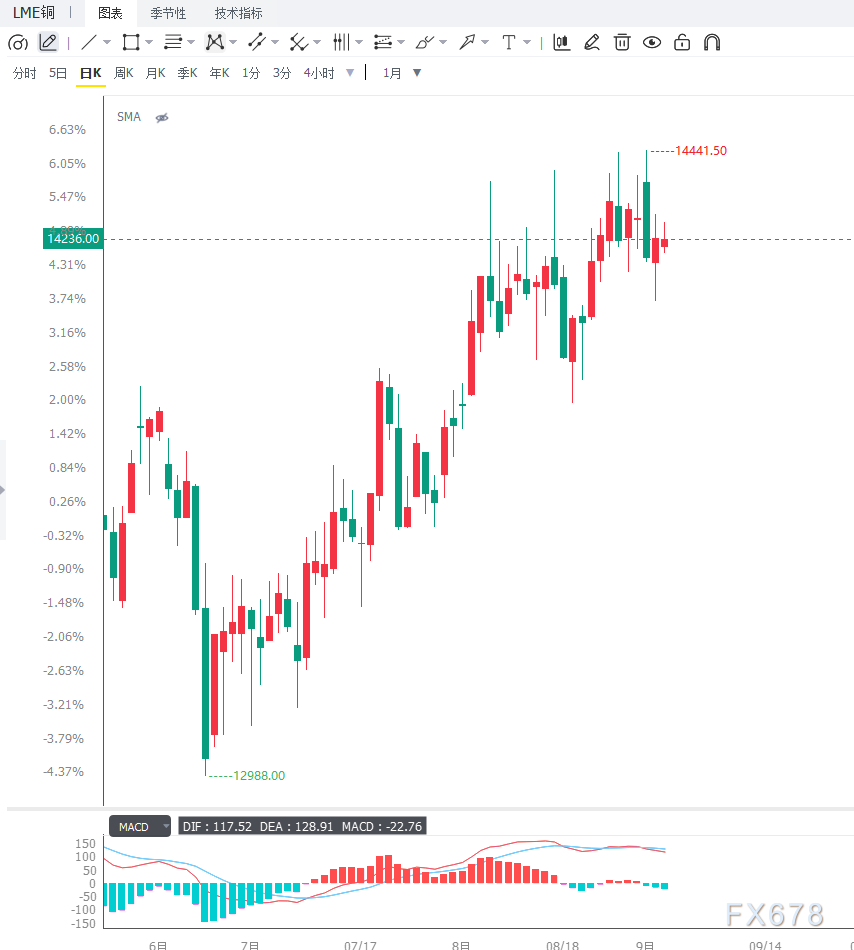
ANZ Bank is optimistic about copper prices reaching new highs at the beginning of next year, with the core reasoning not being driven solely by speculative funds, but rather by the combined effects of
Disclaimer: The content of this article solely reflects the author's opinion and does not represent the platform in any capacity. This article is not intended to serve as a reference for making investment decisions.
You may also like
New Zealand Dollar gains against US Dollar due to unfavorable US NFP backdrop
Fidelity warns Bitcoin private keys could face risk from quantum computing
CFTC seeks dismissal of CME crypto perpetual contracts lawsuit
Crypto prices
More


