BREAKING
Zcash’s push above the $1,000 price level on September 5, 2026 is most directly linked to short-side liquidations cascading through the market, amplified by a broader crypto risk-on environment — not a single Zcash-specific protocol event or partnership announcement. A secondary factor cited alongside the move is the continued growth of Grayscale’s ZCSH ETF, though that angle carries less verification than the liquidation data at the time of reporting.
Short Liquidations — The Primary Mechanism Behind ZEC’s Spike
When leveraged traders hold short positions against an asset and the price rises sharply, their positions are forcibly closed by exchanges — a process that itself pushes the price higher as buy orders flood the market. According to market analysis, this short-covering dynamic has been actively at work in ZEC’s latest move.
The rally appears to have caught a significant pool of short sellers off guard. As those positions were liquidated, the resulting buy pressure reinforced the upward move — a self-reinforcing cycle commonly referred to as a short squeeze. Web research corroborates this framing: the dominant characterization across available reporting is squeeze-driven momentum, not a named protocol upgrade, fresh exchange listing, or whale accumulation event unique to Zcash.
Why Short Liquidations Flow Directly to ZEC Price
Forced short closures generate automated market buy orders → those buys reduce available sell-side liquidity → the ask price moves higher → additional shorts breach their liquidation thresholds → the cycle repeats. This mechanism explains how ZEC can cross a round-number level like $1,000 rapidly without requiring a fundamental catalyst to break first.
Grayscale’s ZCSH ETF — Supporting Factor, Verification Pending
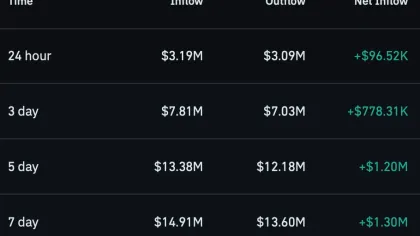
The report also cites expansion in Grayscale’s ZCSH ETF as a contributing element to ZEC’s rally. Institutional vehicles like ETFs provide a regulated on-ramp for capital that otherwise cannot hold spot crypto directly, and growing assets under management in such a product would represent genuine buy-side demand. However, specific AUM figures or inflow data for the ZCSH ETF were not independently verified in available sources at the time of writing. Readers should treat the ETF growth narrative as a supporting signal rather than a confirmed primary driver until hard numbers are published by Grayscale or a verified third-party custodian.
Is the $1,000 Level Sustainable?
The sustainability of ZEC’s position above $1,000 depends heavily on whether the conditions that triggered the squeeze remain in place. If the broader crypto market pulls back on macro sentiment or risk appetite contracts, privacy coins including Zcash typically give back gains faster than large-cap assets. The squeeze itself is a one-directional event — once shorts are cleared, the automatic buy pressure disappears, and price discovery reverts to organic demand and supply.
The specific metric to monitor is open interest in ZEC perpetual futures. If open interest rebuilds with a short-heavy skew again, another squeeze remains possible. If it rebuilds long-heavy, downside risk from long liquidations becomes the more relevant threat. On-chain data and exchange-reported liquidation feeds remain the cleanest real-time signals.
Zcash crossed $1,000 on September 5, 2026 with short liquidations identified as the primary confirmed catalyst, overlaid on a broader market risk-on session. The Grayscale ZCSH ETF growth narrative adds institutional context but awaits hard data. The single metric readers should track going forward is ZEC perpetual futures open interest and the directional bias of that positioning — that number will signal whether another squeeze setup is forming or whether the move has run its course.
Why is Zcash surging above $1,000?
Zcash crossed $1,000 on September 5, 2026 primarily due to a short squeeze — forced liquidations of leveraged short positions generated cascading buy orders that pushed ZEC higher. A broader crypto risk-on move provided the macro backdrop. Grayscale’s ZCSH ETF growth has been cited as a secondary factor, though specific inflow figures remain unverified at time of writing.
What is a short squeeze and how did it affect ZEC?
A short squeeze occurs when rising prices force traders holding short positions to buy back the asset to close their trades. Those forced buys push the price even higher, triggering additional liquidations in a self-reinforcing loop. According to market analysis, this mechanism was active in ZEC’s move above $1,000.
Is the Grayscale ZCSH ETF confirmed as a Zcash rally driver?
The Grayscale ZCSH ETF’s growth is cited as a contributing factor. However, specific AUM or inflow figures for the product were not independently confirmed in available data sources as of September 5, 2026. It should be treated as a supporting narrative pending verified disclosure from Grayscale.
What metric should I watch to gauge ZEC’s next move?
Monitor ZEC perpetual futures open interest and the directional lean of that positioning. A rebuild of short-heavy open interest could set up another squeeze; long-heavy rebuilding shifts the risk to downside liquidations. Also track broader crypto liquidation trends, as ZEC’s move is partly correlated with market-wide sentiment shifts.
Source: Market analysis · Published by CoinsProbe Markets Desk