
Democrats’ Midterm Sweep Reshapes the U.S. Stock Market: Clean Energy and Healthcare Emerge as the Biggest Winners! These Tickers Are Worth Watching~
 2026/11/05 09:13
Earlier this week we launched our dedicated U.S. Midterm Elections special page, covering the latest race dynamics, the policy tug-of-war between the two parties, and the U.S. stocks that stand to benefit. Have you already positioned yourself? Click to go straight there 👉
1. Election Results: A Blue Wave Sweeps Congress, Policy Dynamics Enter a New Phase
Democrats pulled off a strong comeback in these midterms.
They flipped both the House and the Senate—and not by a narrow margin. They broke into traditional Republican strongholds, winning seats in Texas, Kansas, South Carolina, Iowa, and Ohio.
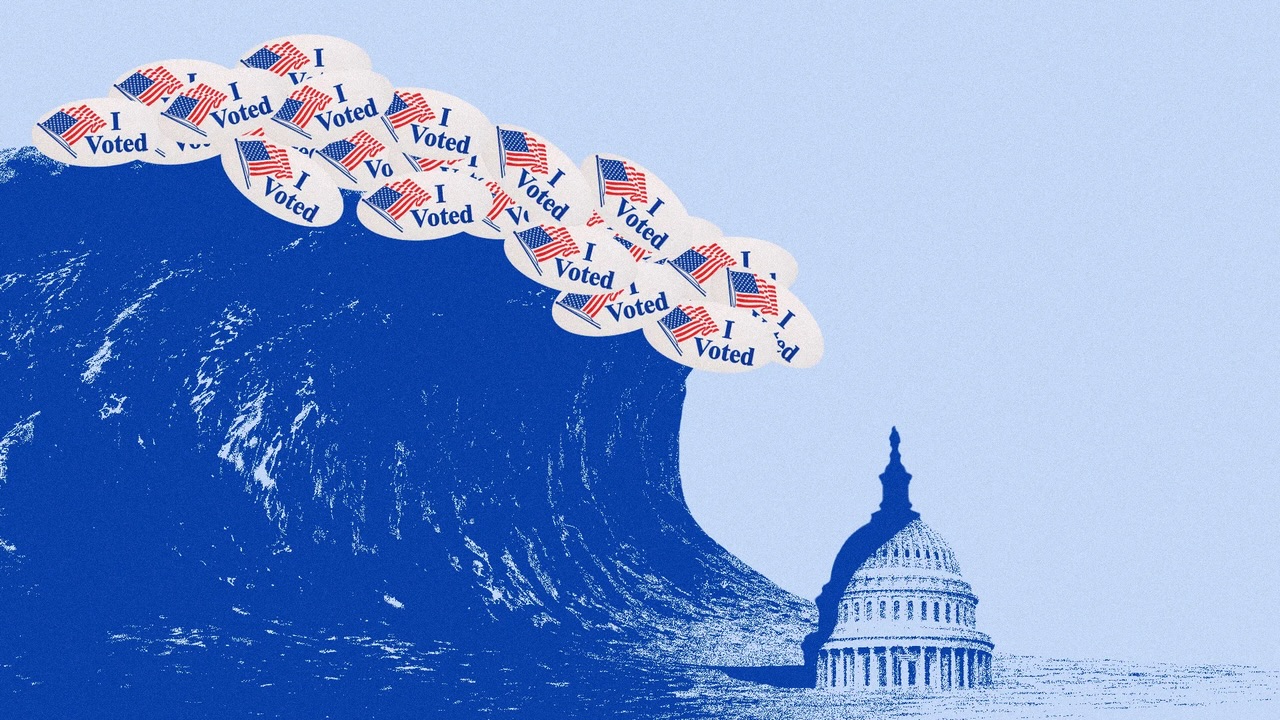
Kansas hadn’t elected a Democratic senator in nearly a century; this time it did. Texas lost both a Senate seat and the governorship. Voters sent a clear message: prices are too high, oil is too expensive, and they’ve grown tired of Trump’s approach. The Iran conflict that pushed oil prices higher was one of the key triggers. As soon as the results came in, oil prices dropped sharply—the market is betting that with Democrats in control of Congress, it will be harder for Trump to take a hard line on the Middle East.
The current setup is straightforward: Trump remains president, but both chambers of Congress are now in Democratic hands. Major new legislation will be difficult to pass, but on issues like the budget, healthcare subsidies, clean-energy support, and data-center regulation, Democrats now have more leverage to block, negotiate, and shape outcomes.
2. Capital Flows: Clean Energy and Healthcare Are Being Lifted First
The beneficiaries are clear—mainly clean energy and healthcare.
Clean energy: Markets expect Democrats are unlikely to easily roll back the tax credits in the Inflation Reduction Act. Approvals and subsidies are also seen as more continuous. First Solar, Sunrun, Enphase, and NextEra (solar and utility names) were bid up right after the election; Europe’s Vestas and Ørsted also rose.
Healthcare: Investors are focused on the possibility that Medicaid cuts will be delayed and ACA premium subsidies could be extended. Centene and Molina (insurers with high Medicaid exposure) and hospital operators HCA and Universal Health Services are being treated as policy-protected names. Lower oil prices can also indirectly support consumption by leaving more money in consumers’ pockets.
On the other side, traditional oil & gas, parts of the defense sector, and pure-play AI infrastructure / data-center and chip names that rely heavily on large-scale data-center buildouts face more pressure. Democrats are expected to be stricter on data-center energy use and permitting, which could slow the pace of expansion.
3. How to View It and What to Do: Prioritize Policy Certainty, Actively Track Oil Prices and Negotiations
The core logic is simple:
- Areas where policy is “hard to reverse easily” become more valuable—clean-energy subsidies and healthcare protections fall into this category.
- If oil prices can stay at lower levels, inflation pressure eases, which is supportive for consumption and overall risk appetite.
Historically, the stock market often sees a relief rally after midterms; this time looks no different. However, the sustainability of AI capital expenditure has become a new point of divergence.
For positioning going forward: modestly overweight clean energy and healthcare, and closely watch how ACA and Medicaid-related provisions are negotiated in the budget process. At the same time, keep a close eye on the Iran situation and oil prices—if the conflict escalates again, consumption- and inflation-sensitive areas will need to be reassessed.
On AI, it’s better to separate the names: large-scale cloud providers are relatively more resilient, while pure data-center and chip capex plays are better kept at controlled sizes until policy outcomes and capital-expenditure guidance become clearer.
Overall, favor structural allocation rather than betting on a single big policy reversal. Follow the actual negotiation and regulatory pace.
Wishing everyone smooth trading!
PS: Beneficiary List (Key Names)
| Clean Energy | FSLR | First Solar | Solar module leader; most direct tax-credit beneficiary |
| Clean Energy | RUN | Sunrun | Residential solar installer; strong policy-support expectation |
| Clean Energy | ENPH | Enphase Energy | Inverters & storage; ancillary demand recovering |
| Clean Energy | NEE | NextEra Energy | Utility + renewables; scale and stability |
| Healthcare | CNC | Centene | High Medicaid weighting; expected delay in cuts |
| Healthcare | MOH | Molina Healthcare | Also benefits from Medicaid protection |
| Healthcare | HCA | HCA Healthcare | Hospital operator; improved coverage and reimbursement |
| Healthcare | UHS | Universal Health Services | Hospitals & behavioral health; policy-protection logic |
The names above are the most direct directions the market has priced in after the election. Actual allocation should be adjusted dynamically based on valuations, earnings, and progress in subsequent budget negotiations.
Disclaimer: The content of this article solely reflects the author's opinion and does not represent the platform in any capacity. This article is not intended to serve as a reference for making investment decisions.
You may also like
Stacks (STX) Price Prediction & Forecast 2026, 2027, 2028, 2029, 2030


The recovery of the automotive industry drives Germany's factory orders to rebound by 4.4% in September; ECB December rate hike expectations further strengthened
The rebound in orders provides positive signals for the outlook of subsequent industrial production. However, economists expect the upcoming September industrial production data to show a slight decline in output following strong growth in August.

Forex Today: Post-election USD weakness persists, focus shifts to BoE rate call
Crypto prices
More


