Tensions with Iran are mounting rapidly, with President Donald Trump firmly underscoring his determination in a series of ongoing public statements. As the crisis intensifies, Trump has announced possible sweeping changes to U.S. trade policy, threatening to sever commercial ties with Spain and voicing strong disapproval of the United Kingdom following controversial debates over military bases. Meanwhile, a prominent member of the Federal Reserve, Neel Kashkari, has highlighted the potential ramifications of the Iran conflict on U.S. monetary policy, warning that recent geopolitical shocks may factor into future economic decisions.
Trump Points Fingers at Allies Over Iran and Trade Relations
Even as the situation in Iran evolves by the hour, President Trump remains vocal, using recent meetings—including discussions with Germany’s Merz—to send tough messages. During these exchanges, Trump suggested that renewed hostilities could reignite trade battles, especially after targeting both Spain and the UK for policies he deems unfavorable to U.S. interests. Outlining his stance, Trump delivered a forceful summary of actions and concerns with Iran, emphasizing the scale of U.S. operations and the uncertainty surrounding Iran’s potential response.
Trump stated that much in Iran had already been destroyed and reiterated his belief that Iran was poised to launch the first strike. He acknowledged applying pressure on Israel, argued that Iran’s air defenses and detection systems had been neutralized, and accused Tehran of attacking countries uninvolved in the current conflict. According to Trump, Iran’s new government faced another major blow and many inside the country now sought immunity. He insisted that the U.S. would press on with its objectives, drawing attention to the significance of recent attacks on Iranian leadership. Expressing concerns about unintended outcomes, Trump stressed that the worst scenario would involve the rise of a leader in Iran even more problematic than his predecessor and signaled a preference for reform from within Iran itself. He praised Germany for its conduct, contrasted with criticism of some European countries, and outlined instructions to Treasury Secretary Bessent—ordering a complete halt to trade and diplomatic relations with Spain. Trump doubled down by revealing his dissatisfaction with the UK and clarified that, due to the rapid developments, there were no current plans to evacuate U.S. embassies. Oil prices, he predicted, might climb briefly but would soon stabilize.
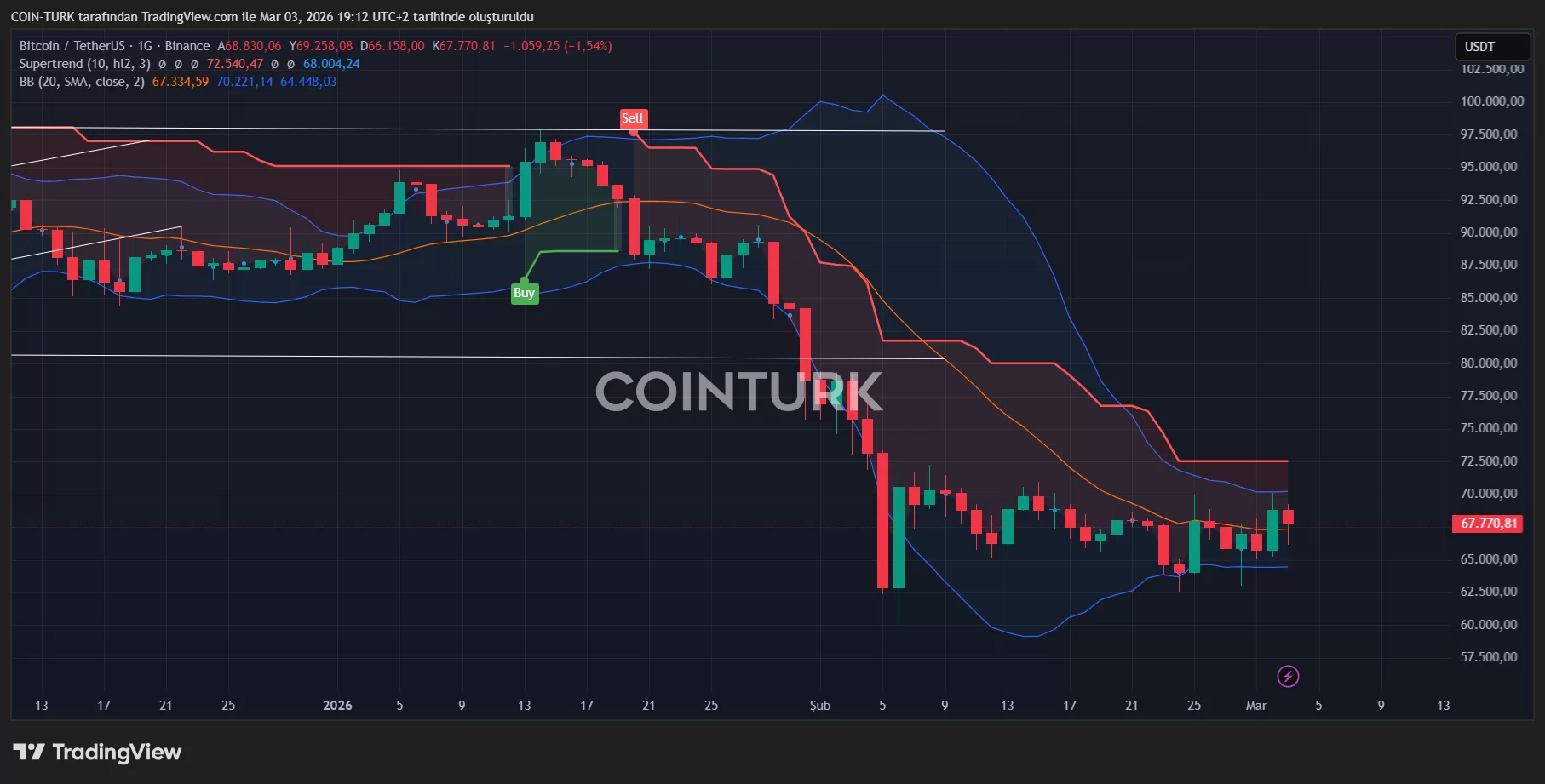
Despite these geopolitical shocks, Bitcoin (BTC) has shown resilience, holding above the $67,000 threshold even as global uncertainty rises.
Fed’s Kashkari Warns of Economic Impact from Iran Crisis
Federal Reserve official Neel Kashkari delivered a sobering outlook for markets and policymakers alike, noting that the escalating Iran crisis could influence future monetary decisions. Kashkari cautioned that expectations for an interest rate cut in 2026 may now be delayed beyond July due to heightened risks—most notably, the rapid rise in oil prices, which could reignite inflationary pressures and undermine hopes for a near-term easing of monetary policy. This sentiment reflects a growing recognition that economic stability in the United States cannot be taken for granted as long as external shocks persist.
“The impact of the war with Iran could alter the course of monetary policy. Given the recent inflation trend, we must keep a close eye on rising headline inflation. At one point, I believed the policy stance was well-calibrated, but now the Fed must assess the size and duration of the Iran shock. Uncertainty around new tariff regimes is weighing on the economy. I see only a small likelihood that tariffs could rise significantly. I was expecting a rate cut in 2026, but at this stage, I am no longer certain.”
This uncertainty is prompting many analysts and market participants to reevaluate their assumptions about the direction and timing of economic policy moves in the months ahead. The volatility in energy markets—fueled by the prospect of further disruptions to oil supplies—and speculation over retaliatory trade measures are creating additional headwinds.
Investors and policy drafters now find themselves navigating a fraught environment, with diplomatic confrontations and economic crosscurrents threatening to upend carefully laid plans. The hope for a smooth path to lower interest rates has faded, supplanted by concerns over inflation and the unpredictable fallout from global crises.
In sum, the confluence of President Trump’s combative stance abroad and the Federal Reserve’s growing caution at home underscore just how intertwined politics and markets have become. The world waits to see whether peace will return to the Middle East and stability to the global economy—or if the current turbulence will spur even sharper turns in both diplomatic and financial arenas.