
Iran's covert network of tankers facilitates alternative oil distribution routes, concealing the true extent of stagflation threats

Global Economic Fragility Amid Supply Disruption
Today's macroeconomic environment is marked by a delicate balance. Elevated real interest rates, a robust U.S. dollar, and already weakened global growth trends have left markets vulnerable. This precarious situation means that any significant supply disruption could easily tip the economy into stagflation—a period of rising prices and stagnant growth. The International Energy Agency has labeled the 2026 Iran conflict as the most severe challenge to worldwide energy and food security ever faced, reminiscent of the turmoil during the 1970s oil crisis. The magnitude of this disruption is unparalleled, with oil output from major Gulf producers falling by over 10 million barrels daily and the Strait of Hormuz shut, resulting in acute shortages. The market's ability to withstand such a shock depends not only on available spare capacity but also on the broader macroeconomic trade-offs that will inevitably follow.
Immediately, the supply squeeze is intense. The conflict has led to a breakdown of the West Asian economic framework, and the maritime blockade has sparked a simultaneous crisis in food supply throughout the Gulf region. This is more than a simple surge in oil prices—it is a dual blow to both energy and food security, directly fueling inflation. The IEA warns of a high likelihood of stagflation, where restricted supply drives prices up while economic activity slows. This scenario is already playing out, with countries like Vietnam experiencing long lines at fuel stations as shortages spread. For economies heavily reliant on energy, this could trigger a technical recession by late 2026, reversing the growth trends seen in recent years.
The Shadow Tanker Fleet: An Overlooked Factor
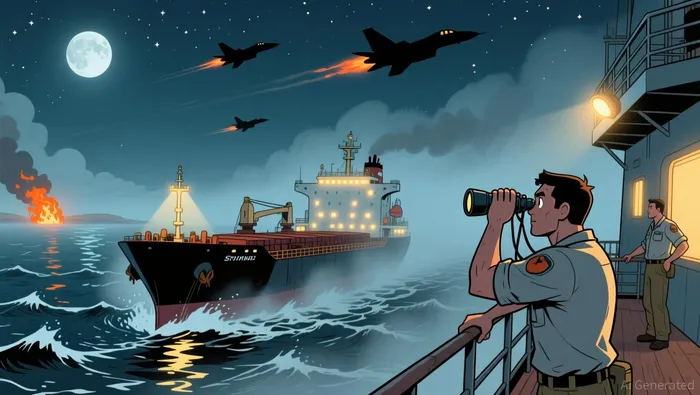
A crucial but often ignored element is the so-called shadow tanker fleet. Roughly 18% of global tanker capacity operates outside official channels, facilitating illicit trade and complicating market oversight. While this fleet offers some liquidity and helps cushion the shock, it undermines sanctions, weakens U.S. diplomatic leverage, and increases the risk of illegal financial activity. Its presence means that some disrupted supply is rerouted through opaque networks, making it harder for markets and policymakers to accurately assess global flows and respond effectively. This structural weakness intensifies the volatility of the crisis.
Macro Constraints and Economic Trade-Offs
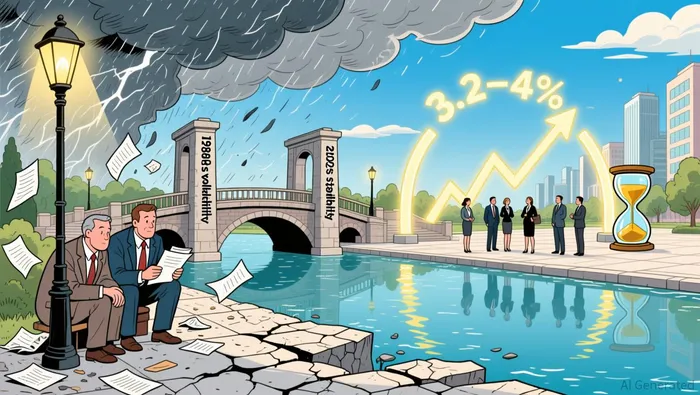
The current macro cycle leaves little margin for error. High real interest rates and a strong dollar already restrict investment and consumer spending. A supply shock of this scale forces a difficult choice: tolerate higher inflation and risk stagflation, or allow demand to collapse into recession. The shadow fleet offers only a temporary reprieve and does not alter the fundamental economic realities. The market's ability to absorb shocks is defined by these macro tensions, and even a moderate, prolonged conflict could push the global economy toward a harsher downturn.
Three Key Indicators: Understanding the Shock's Longevity
Markets have responded with a sharp surge, as Brent crude soared above $110 per barrel. The central question is whether this spike is fleeting or signals a new, sustained price level.
- Conflict Duration and Escalation: The length and intensity of the conflict are the most direct indicators. Markets are now factoring in extended disruptions, with geopolitical risk premiums rising as diplomatic solutions seem unlikely. Even without immediate infrastructure damage, operational paralysis persists. As long as threats to tankers or the Strait of Hormuz remain credible, caution will dominate. A rapid diplomatic breakthrough could quickly reverse prices, but current trends point to a drawn-out campaign. Watching for reduced military activity or softened rhetoric will be the clearest sign of a temporary shock.
- Macro Cycle Health: The underlying economic environment acts as a limit on how far the shock can push prices. High real rates and a strong dollar are already slowing global growth. A prolonged supply disruption increases the risk of stagflation, forcing central banks to potentially prioritize growth over controlling energy prices. This dynamic places a ceiling on oil prices; even if supply remains constrained, the threat of recession will likely prevent further price escalation. The fragility of the macro cycle is a key signal for the shock's persistence.
- Policy Responses: Policy measures are vital but face significant geopolitical challenges. The U.S. has hinted at possibly easing sanctions on Iranian oil stored on tankers to help stabilize prices, but this move is limited by the need to maintain leverage and avoid weakening the broader sanctions framework. Emergency reserve releases, such as the IEA's 400 million barrels, have so far been offset by declining tanker traffic. The effectiveness of policy interventions depends on the conflict's duration and international cooperation. For now, elevated geopolitical risk premiums suggest policy tools are struggling to counteract the fundamental supply disruption.
Long-Term Oil Price Outlook
The recent surge above $110 per barrel is a reaction to a systemic shock, not a new equilibrium. To forecast the long-term trajectory, macro analysis and signal monitoring must be translated into plausible price ranges. BloombergNEF projects that, under normal circumstances, Brent crude would average $55 per barrel in 2026, assuming sufficient supply and a surplus of 3.2 million barrels per day. This surplus acts as the main buffer against disruptions.
In a severe scenario—if Iran's entire 3.3 million barrels per day were removed from the market—Brent could average $71 per barrel in the second quarter and reach $91 by year's end, provided the disruption persists. However, this is considered an unlikely outcome. The market's immediate reaction suggests it is pricing in a more intense but still contained risk.
The market is currently strained. While the price spike is driven by operational paralysis in the Gulf, the underlying macro cycle serves as a brake. High real rates and a strong dollar are already limiting growth. A sustained supply shock could force central banks to manage a painful trade-off, creating a ceiling for oil prices. Even with tight supply, the risk of recession will likely cap further increases. The market's absorption capacity is shaped by these macro tensions.
At present, the war premium is modest—about $4 per barrel. This indicates that extreme scenarios are not yet fully priced in, but the market is closely watching key signals. The near-term outlook is for volatility within a defined range, shaped by the conflict's persistence and macro fragility. A quick de-escalation could return prices to the $55-$66 baseline, while a prolonged conflict could push prices toward the $71-$91 upper bound if inflationary pressures overwhelm the macro cycle. Ultimately, the current price spike is temporary; the sustainable equilibrium will depend on whether the macro cycle can absorb the shock or if a harder landing is inevitable.
Key Catalysts and What to Monitor
The future trajectory depends on several crucial factors. The market is highly reactive, with prices swinging sharply in response to each escalation. To determine whether the shock will be prolonged, keep an eye on these three catalysts:
- Conflict Timeline and Escalation: Initial strikes and retaliatory actions have already forced a reevaluation of Gulf transit routes. The main signal is whether these remain isolated incidents or evolve into sustained military campaigns. Watch for ongoing attacks on oil infrastructure, deployment of ground forces, or closure of the Strait of Hormuz. Even without physical damage, operational paralysis is enough to disrupt flows. A rapid diplomatic resolution could quickly normalize prices, but current trends suggest a prolonged disruption. The market is preparing for extended instability in global energy flows.
- Central Bank Policy Shifts: Changes in monetary policy are a vital secondary indicator. The conflict's effect on inflation and growth will test the macro cycle's resilience. Monitor shifts in real interest rates; if inflation from supply shortages forces central banks to maintain or raise rates, global growth will be further constrained. Conversely, if growth concerns dominate, policymakers may pivot toward easing, supporting demand and providing a price floor. The strength of the U.S. dollar is also important—a weaker dollar would make oil cheaper for other currencies, potentially easing some pressure. Policy responses will be crucial in determining whether the cycle can contain inflationary spirals.
- Effectiveness of Policy Measures: The IEA has released 400 million barrels from reserves, but declining tanker traffic has negated these efforts. Watch for coordinated reserve releases from other major consumers and any moves to grant sanctions waivers. The U.S. Treasury has indicated possible sanction relief for Iranian crude held on tankers, though this is constrained by geopolitical factors. The success of these tools will be vital for market stability, but they face significant obstacles in a high-stakes conflict.
In summary, the market is now pricing in a sustained shock. The catalysts to monitor include not only military developments but also the economic and policy responses they provoke. Any change in the conflict's nature, shifts in real interest rates, or major policy interventions will signal whether this is a temporary spike or the beginning of a new, higher price regime.
Disclaimer: The content of this article solely reflects the author's opinion and does not represent the platform in any capacity. This article is not intended to serve as a reference for making investment decisions.
You may also like
Is IMAX Stock Worth Buying or Selling After a Director Sold $21.5 Million in Shares?
Crypto Companies Cut Hundreds of Positions as Market Downturn and AI Adoption Prompt Strategic Changes

Powell's Political Challenge: Can the Fed Remain Independent Amid Trump's Legal Push?
Morgan Stanley Makes Crypto Accessible to All Clients—Yet the Majority of Advisors Adhere to the 4% Guideline

Trending news
MoreCrypto prices
More





