
Dubai's High-End Market Faces Turmoil as Tourism Drops to 30% Occupancy—A Strategic Pricing Pivot Dependent on How Quickly Conflicts Are Settled

Immediate Shock: Direct Attack on Dubai's Icons
The crisis began with a tangible event. On February 28, Iran unleashed a wave of missiles and drones targeting Dubai, striking the Burj Al Arab and inflicting damage on Dubai International Airport. This was not a remote threat but a direct hit on the city’s most recognizable symbols of luxury and global connectivity. The aftermath has been a swift and dramatic downturn in Dubai’s main economic sectors.
Luxury Retail Faces a Crisis
High-end retail in Dubai is experiencing a dramatic decline. The Dubai Mall, once bustling with affluent shoppers, now features numerous vacant storefronts. Luxury sales across the Middle East are expected to be slashed by half this month, a direct result of the sharp drop in international visitors. Experts point out that the attacks have shattered Dubai’s reputation as a secure haven, discouraging the elite clientele the city depends on.
Tourism Grinds to a Halt
Tourism, which recently fueled record visitor numbers, has nearly stopped. Hotel occupancy has fallen to just 30%, forcing major hotels to close entire floors to cut costs. International arrivals have plunged as flight disruptions continue due to airspace closures. This is not a typical seasonal dip, but a near-total freeze. As one hotel executive remarked, “tourism has almost come to a standstill” during what should be a peak period.

Short-Term Pain, Long-Term Questions
The immediate impact is clear: a sudden, event-driven economic shock. The luxury sector, heavily reliant on wealthy tourists, is facing an acute crisis. While the damage is severe, Dubai’s substantial financial reserves and its strategic importance as a regional hub may help cushion long-term effects—especially if the conflict is resolved quickly, potentially leading to a market mispricing.
Economic Fallout: From Symbolic Attack to Financial Turmoil
The consequences have rapidly shifted from symbolic to financial. The regional travel and tourism industry is now losing an estimated €515 million daily due to the ongoing conflict. This is not a minor setback but a direct translation of geopolitical instability into lost revenue. With international arrivals down by 30%, the region could see $34–56 billion (€29–48 billion) in lost tourism spending this year. For Dubai, which relies on this income to sustain its luxury-driven economy, the financial blow is both immediate and measurable.
Dubai’s economic model, built on its status as a “safe harbor,” is now under intense pressure. Its strong trade links with Iran—non-oil trade reached $29.1 billion last year—have become a point of vulnerability. The attack has exposed the fragility of Dubai’s position, transforming a commercial gateway into a geopolitical hotspot. The repercussions extend beyond tourism, threatening the entire ecosystem of high-value commerce that Dubai has cultivated.
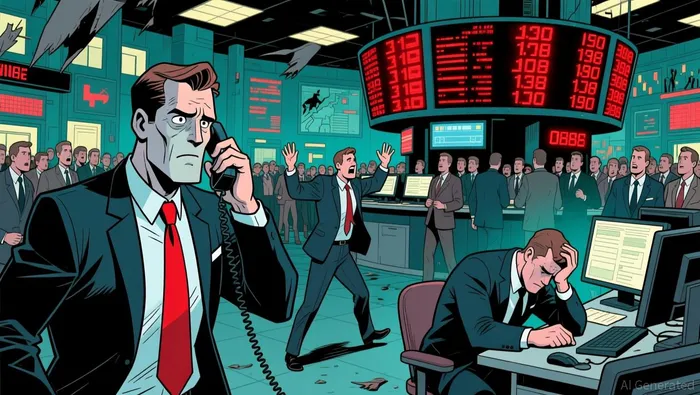
Market data reflects the anxiety. Capital markets responded with sharp declines: the Dubai Financial Market (DFM) index dropped 4.7% on the first trading day after the attack and ended the week down 9%. This rapid sell-off signals a significant reassessment of risk by foreign investors. Authorities have responded by halving the daily trading limit from 10% to 5%, highlighting concerns over capital outflows.
The disruption to Dubai’s role as a major transit hub is equally stark. Regional airports, which typically handle about 526,000 passengers daily, have seen traffic collapse. Data from Emirates, Etihad, and Qatar Airways shows a drastic reduction in flights, paralyzing the connectivity that defines Dubai as a global crossroads. The economic chain reaction is clear: conflict leads to airspace closures, which cause passenger numbers to plummet, wiping out tourism revenue and triggering market sell-offs. The result is a multi-layered, quantifiable economic shock.
Valuation: Is the Market Overreacting?
Markets have responded with a rapid and severe correction. The DFM’s 9% weekly loss directly reflects the shock. For investors, the key question is whether this signals a fundamental shift in Dubai’s economic prospects or a temporary overreaction to a high-impact event. The immediate risk is a sharp contraction in GDP from tourism and trade in the first quarter of 2026. As one hotel executive observed, the current downturn is unprecedented—even compared to the COVID-19 crisis. With tourism accounting for over 10% of GDP and hotel occupancy at just 30%, the economic hit will be both significant and visible in official data.
However, Dubai has a history of resilience. The city has weathered oil price shocks and regional unrest before, and officials insist the economy remains open. Deep financial reserves and Dubai’s strategic role as a regional hub could support a rapid rebound if the conflict is contained and airspace reopens soon. This suggests the market may be overestimating the duration of the crisis, potentially creating an opportunity if recovery comes faster than expected.
The main uncertainty is how long and how far the conflict will escalate. The war has been ongoing since February 28, 2026, and recent updates indicate Iran’s Supreme Leader Mojtaba Khamenei remains seriously injured. If hostilities intensify, the economic damage will deepen and further challenge Dubai’s “safe harbor” reputation. The current estimate of €515 million in daily losses for the regional travel sector could rise substantially if disruptions persist.
For tactical investors, the risk and reward are clearly defined. The downside is a prolonged and deeper economic slump if the conflict spreads. The upside is a swift recovery if stability returns, potentially offering a buying opportunity amid the panic. The market’s challenge is accurately pricing the speed of any resolution.
Key Signals and Tactical Considerations
The near-term outlook depends on several critical indicators. While panic is already reflected in market prices, the path forward will be shaped by concrete data and geopolitical developments. Investors should focus on three main areas:
- Travel and Hospitality Metrics: Watch for signs of stabilization in flight schedules and hotel occupancy. The current 30% occupancy rate is a key benchmark; any sustained improvement would point to recovering demand. Tracking daily passenger numbers for Emirates, Etihad, and Qatar Airways against the pre-crisis average of 526,000 is also crucial. A rebound in flights would indicate that airspace restrictions are easing and Dubai’s transit role is being restored.
- Government Response: Monitor for announcements of economic support. While UAE officials maintain that business continues, the scale of the downturn may prompt targeted relief measures. Any financial aid for the hospitality sector, tax breaks, or trade policy adjustments would help ease immediate pressures and could stabilize sentiment.
- Geopolitical Developments: The broader Middle East conflict remains the ultimate driver of confidence. The war has been ongoing since late February 2026, with Iran’s leadership still incapacitated. Any signs of de-escalation would likely reduce the geopolitical risk premium and spark a rapid recovery in tourism and trade. Conversely, further escalation—such as threats to international shipping in the Strait of Hormuz—would deepen the economic crisis and prolong the downturn. The timing of conflict resolution will determine the tactical opportunity.
Disclaimer: The content of this article solely reflects the author's opinion and does not represent the platform in any capacity. This article is not intended to serve as a reference for making investment decisions.
You may also like
GDC Jumps 15% Pre-Market with No Clear Catalyst

XRP Liquidation Heatmap Is Screaming. Here’s What It Says
NVDA's 3% Drop: The Flow of H200 Orders vs. CoWoS Capacity
Jamie Dimon Signals Major Shift In Labor Market Due To AI

Trending news
MoreCrypto prices
More





