
South African Rand Drops 1.7% as Persistent Dollar Gains Pressure Emerging Markets

US Dollar Surge Drives Rand Weakness
The recent sharp rise in the US dollar has been the main factor behind the rand's decline. Since hitting its lowest point in January, the dollar has climbed about 4%, reaching its highest level in ten months this March. This is not just a technical fluctuation; it reflects a fundamental shift in global risk perception, with the dollar index now at 100.53. The dollar's strength is closely tied to geopolitical uncertainty, especially as it responds strongly to oil price increases triggered by tensions in the Middle East.
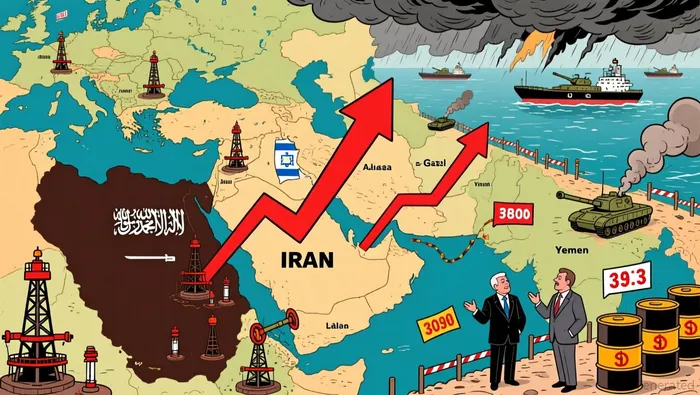
Market participants have made a dramatic change in their approach. Speculators have abandoned their previous bearish outlook and now hold significant bullish positions. Since mid-February, traders have placed $6.2 billion in bets anticipating further dollar appreciation, effectively reversing earlier negative positions. This shift occurred rapidly, just three weeks after the US and Israel launched a strike on Iran.
Geopolitical events prompt investors to seek safety in the US dollar, the world's most reliable reserve currency. Countries that import energy, such as South Africa, face higher oil prices and must sell assets or close short dollar trades to pay for imports. This process directly strengthens the dollar and puts pressure on currencies like the rand, as safe-haven flows and rising oil prices weigh heavily on emerging markets.
Rand's Recent Market Movements
The rand's price action has closely followed the dollar's rally. On March 24, the currency traded at 16.9075 per dollar, a drop of about 0.5% from the previous session. Earlier in the month, the USD/ZAR pair reached a 2026 high of 17.054 on March 20, marking a 2.26% increase since the start of the year.
The rand's decline reflects global risk aversion. As a bellwether for emerging market sentiment, its recent moves echo the broader dollar rally. With geopolitical turmoil and oil price spikes pushing capital toward the dollar, the rand has been among the first to respond, highlighting how dollar strength impacts emerging market currencies.
This volatility is putting immediate strain on South Africa's economy. A weaker rand makes imported goods and fuel more expensive, fueling inflation. It also raises the cost of servicing dollar-denominated debt and can lead to higher yields on government bonds, increasing financing costs for the state.
Carry Trade Dynamics and Upcoming Catalysts
The combination of a strong dollar and elevated oil prices is creating additional pressure on the rand by threatening carry trades. These trades, which involve borrowing in low-interest currencies to invest in higher-yielding ones, are vital for emerging market liquidity. When the dollar strengthens, investors often unwind these positions to cover losses or meet margin requirements, intensifying outflows from assets like South African bonds and stocks and adding further downward pressure on the rand.
The next major event is the South African Reserve Bank's (SARB) rate decision. According to a Reuters poll, economists expect the SARB to maintain its main lending rate at 6.75%. The bank's governor has indicated that risk scenarios will be updated, given the impact of Middle East tensions on oil prices and inflation. Keeping rates steady would preserve South Africa's attractive nominal yields for carry trades, but the bank's outlook on inflation and growth will be crucial for market direction.
- SARB's ZALEAD Indicator: The January reading will offer insight into South Africa's economic momentum. A weak result could undermine confidence in the rand.
- Dollar Speculative Positioning: The recent $6.2 billion shift toward bullish dollar bets is a significant flow. For the rand to stabilize, this trend needs to reverse. Signs of slowing dollar momentum or steadier oil prices would suggest the current sell-off may be easing.
Disclaimer: The content of this article solely reflects the author's opinion and does not represent the platform in any capacity. This article is not intended to serve as a reference for making investment decisions.
You may also like

RBA's Jones: Beyond Acacia—What Lies Ahead for Innovation in the Financial System?
Two Approaches to Stablecoin Revenue: QCAD Ecosystem Versus SDEV Token Strategy

York Soars 7% Despite Bearish Signals

Trending news
MoreCrypto prices
More





