
Iran's Cable Threat: Disrupting Global Data Flow and Impacting Technology Shares

Global Internet Disruption: Subsea Cable Blockades in the Red Sea and Strait of Hormuz
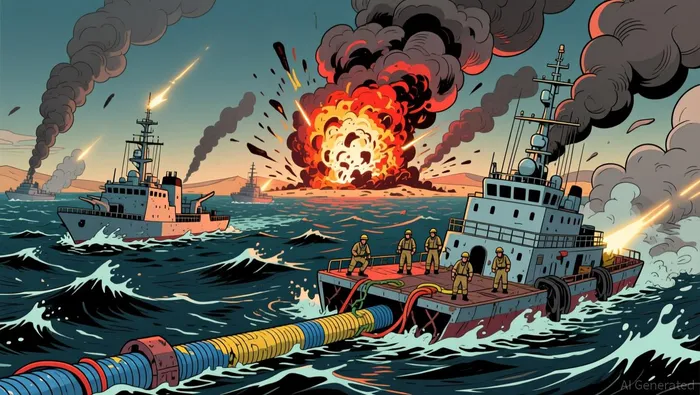
The world’s digital infrastructure is facing an unprecedented crisis as both the Red Sea and the Strait of Hormuz have become inaccessible to commercial shipping. This marks the first time that these two vital maritime routes—through which seventeen major undersea cables in the Red Sea alone transmit the bulk of data between Europe, Asia, and Africa—are simultaneously blocked. The closure of these critical chokepoints poses a significant and unusual threat to global data flow.
Meta’s 2Africa Project Stalled
Meta’s decision to halt its 2Africa initiative highlights the magnitude of the disruption. Work has stopped on the essential "Pearls" section, intended to connect the Persian Gulf, Pakistan, and India to the larger network. This segment, meant to serve over 3 billion people, is now suspended partway through installation, with large portions of the cable already laid but not operational.
Immediate Operational Consequences
The effects are both swift and severe. Repair vessels are unable to safely access either region, making it impossible to address existing faults. This vulnerability was evident last year when three cables in the Red Sea were severed by a damaged ship, and repairs took six months due to ongoing hostilities. With both chokepoints now embroiled in conflict, any new damage could result in even longer outages, severely impacting internet connectivity across Europe, the Middle East, and Asia.
Impact on Technology and Telecommunications Markets
Meta is under significant financial strain as a result of the blockade. The company has suspended progress on the 2Africa subsea cable due to geopolitical tensions, stalling a major expansion of its network. Simultaneously, Meta is reportedly considering layoffs that could affect up to 20% of its workforce, as it faces escalating costs related to AI infrastructure. The combination of a paused infrastructure project and internal restructuring has directly impacted Meta’s growth prospects and efficiency, as reflected in an 8.2% drop in its stock value over the past month.
Indian telecommunications providers are bracing for significant operational challenges. The government has directed them to develop contingency strategies as the conflict jeopardizes vital cable routes. This includes evaluating risks to upcoming cable installations and anticipating delays in maintenance. The risk is particularly acute for India, where nearly all international data relies on a handful of landing points, making the country especially vulnerable to congestion and performance issues if rerouting becomes necessary.
Tata Communications is also exposed to the risks posed by the blockade. The company, which relies on leasing capacity from other operators—including Lightstorm—faces potential disruptions in both the Red Sea and Strait of Hormuz. This vulnerability coincided with a 3.55% drop in its share price on March 27, reflecting broader market concerns about the stability of connectivity and the financial implications of ongoing infrastructure uncertainty.
Key Triggers and Market Signals
The most pressing risk is Iran’s reported threat to sever Red Sea cables. Should this occur, the consequences would be far from minor. As one analyst put it, “If they snap, it’s months of outages, not hours.” Such an event would cause prolonged disruptions to data transmission across Europe, the Middle East, and Asia. Any confirmation or escalation of this threat would reinforce the severity of the current crisis.
From a market perspective, investors should monitor ongoing trends among major players. Meta (META) is already under pressure, with an 8.2% decline in share price over the last month. A continued slide or lack of recovery would suggest that the market anticipates lasting setbacks to Meta’s connectivity ambitions and AI investments. For Tata Communications (TATACOMM), the 3.55% share price drop on March 27 highlights its exposure. Persistent underperformance compared to broader telecom indices would indicate that investors are penalizing the stock for its vulnerability to these physical bottlenecks.
Ultimately, resolving this crisis depends on geopolitical developments. The blockade will only be lifted when commercial access to the Red Sea and Strait of Hormuz is restored, allowing repair crews to address damaged cables and resume projects like Meta’s 2Africa “Pearls” segment. Until these routes reopen, the risk of severe, costly disruptions to global technology and telecommunications sectors remains high.
Disclaimer: The content of this article solely reflects the author's opinion and does not represent the platform in any capacity. This article is not intended to serve as a reference for making investment decisions.
You may also like
CTAs Fuel Market Fluctuations—Short Squeeze Threat Grows as $55B Sell-Off Approaches Its Limit
RailTel's Mumbai Port Contract Ignites Optimism—However, Profitability Remains Years Away
BTCPLN Clashes at 249,000—Volume Fails to Confirm
Donald Trump Supports Stablecoin Regulations, References 'Genius Act'

Trending news
MoreCrypto prices
More





