
Iran's Attacks and the $800 Million Cost: An Analytical Overview

Financial Impact of Iran’s Counterstrikes
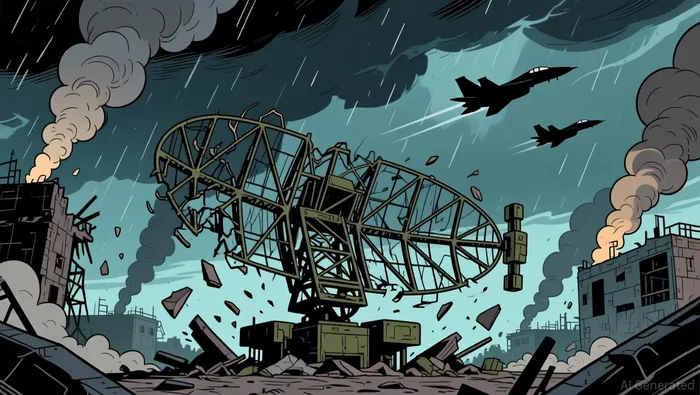
Recent analysis by CSIS and the BBC has revealed that Iran’s retaliatory attacks have inflicted approximately $800 million in losses on U.S. military assets within the first two weeks of the conflict. This updated estimate surpasses earlier figures, highlighting that the initial assessments underestimated the true extent of the damage. The strikes primarily targeted essential communication and radar installations, with repeated assaults on several bases intended to undermine U.S. operational coordination.
Among the most significant assets hit were the AN/TPY-2 Thaad radar system in Jordan, valued at $485 million, along with vital satellite dishes and radomes. These components are crucial for missile defense and long-range communications, and Iran’s deliberate focus on them was designed to disrupt American military effectiveness. Satellite imagery has documented multiple attacks on at least three key air bases, underscoring the persistent effort to weaken these strategic resources.
Energy Market Disruption: Shipping and Oil Prices
The ongoing hostilities have brought energy shipments to a standstill. The Strait of Hormuz, a vital passageway for global oil transport, has seen shipping activity nearly cease as vessels deactivate tracking systems to evade Iranian attacks. This has led to an unprecedented surge in shipping expenses, with rates for Middle East VLCCs climbing to over $400,000 per day, marking a record high.
Concerns over supply interruptions have directly driven up crude oil prices. Since the onset of the conflict, Brent crude has soared by nearly 45%, surpassing $100 per barrel. The logic is clear: with about 20% of the world’s oil supply at risk, traders are pushing prices higher in anticipation of shortages.
This has created a highly unstable energy market. Although a handful of ships continue to navigate the strait, the near-complete stoppage has prompted widespread shutdowns at oil and gas facilities throughout the Middle East. These disruptions have intensified price volatility and heightened the risk to global energy flows.
Emerging Costs: Iran’s Transit Charges and Market Uncertainty
Iran has begun leveraging its strategic position by imposing unofficial transit fees of up to $2 million per journey on certain commercial ships passing through the Strait of Hormuz. This new, informal levy introduces additional complexity and unpredictability for businesses operating in the region, representing a cost that did not previously exist.
These payments are arranged discreetly and vary from case to case, with no standardized process or currency. The lack of transparency, combined with the ongoing threat of further attacks, is injecting even more instability into an already tense shipping corridor.
By extracting revenue from this critical waterway, Iran is further unsettling global energy logistics. Its broader initiative to formalize these charges after the conflict threatens both the principle of free navigation and the sovereignty of a route responsible for transporting a fifth of the world’s oil supply.
Disclaimer: The content of this article solely reflects the author's opinion and does not represent the platform in any capacity. This article is not intended to serve as a reference for making investment decisions.
You may also like

3 Breakout Cryptos Positioned for Massive 100x Moves
Fake stablecoins hit record levels of 54,000 tokens after GENIUS Act boost
TxFlow L1 Mainnet Launch Marks a New Phase for Multi-Application On-Chain Finance
Trending news
MoreCrypto prices
More





