
Trump's tariffs resulted in an additional $1,000 expense for U.S. families last year, according to a research organization

Impact of Trump's Tariffs on American Households
Recent analysis by the independent Tax Foundation reveals that, in the past year, U.S. households paid an extra $1,000 on average due to tariffs imposed by President Donald Trump.
Looking ahead, the study projects that if current tariffs remain unchanged, the average household could see this cost rise to $1,300 this year.
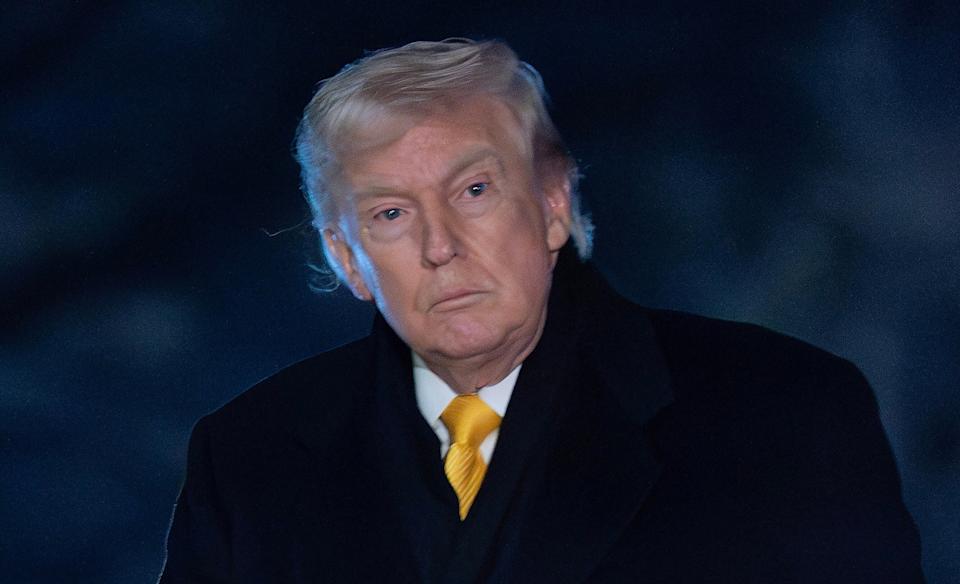
President Donald Trump arrives at the White House, February 9, 2026. (Jose Luis Magana/AP)
The Tax Foundation describes these tariffs as the most significant U.S. tax hike relative to GDP since 1993. The report highlights that this policy is adding to the financial pressures many families already face amid ongoing high prices.
In 2025, the federal government brought in $264 billion from tariffs, according to the Tax Foundation—far less than the multi-trillion-dollar figures sometimes mentioned by the administration. The analysis also indicates that these tariffs are erasing much of the economic advantage provided by the new tax cuts introduced under Trump’s recent tax legislation.
White House spokesperson Kush Desai responded, stating, “The average U.S. tariff rate has increased nearly tenfold over the past year. Despite this, inflation has eased, real wages have grown, GDP expansion has picked up, and significant investments continue to flow into American manufacturing and hiring.”
Which Products Are Most Affected?
Throughout 2025, tariff rates shifted as the U.S. negotiated new trade agreements. The tariffs have mainly impacted the prices of imported electronics, toys, vehicles not produced domestically, and foods sourced from overseas. Notably, the Bureau of Labor Statistics reports the following price increases:
- Coffee: up 33.6%
- Ground beef: up 19.3%
- Romaine lettuce: up 16.8%
- Frozen orange juice: up 12.4%
Tariff Rates and Inflation Trends
Data from the Tax Foundation shows that the average effective tariff rate in the U.S. jumped from about 2% in 2024 to nearly 10% in 2025—the highest level since 1946. Meanwhile, the latest government figures indicate that annual inflation in December stood at 2.7%, a rate similar to when Trump first assumed office.
Disclaimer: The content of this article solely reflects the author's opinion and does not represent the platform in any capacity. This article is not intended to serve as a reference for making investment decisions.
You may also like
Is finance crypto’s first chapter or its final form? VCs weigh in…
US Treasury Bonds: When the University of Tokyo Tightens Its US Treasury Exposure
Chipotle's CEO aims to attract more diners earning above $100,000 — signaling that menu prices are set to rise
Trending news
MoreCrypto prices
More





